
Students and teachers from the Hong Kong University of Science and Technology (Guangzhou) Red Bird Master's Program went to Renlai Rehabilitation Center for on-site research.
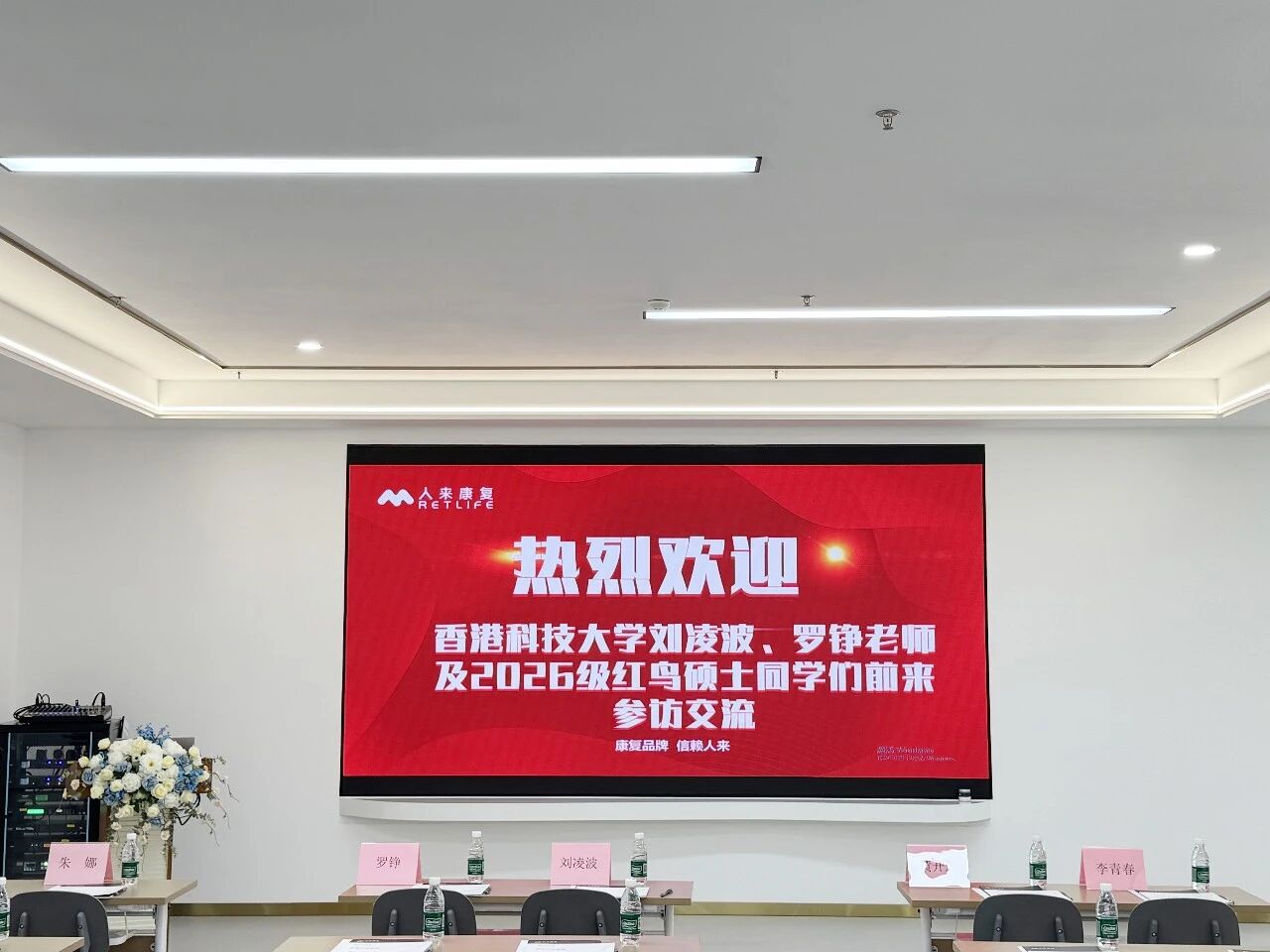
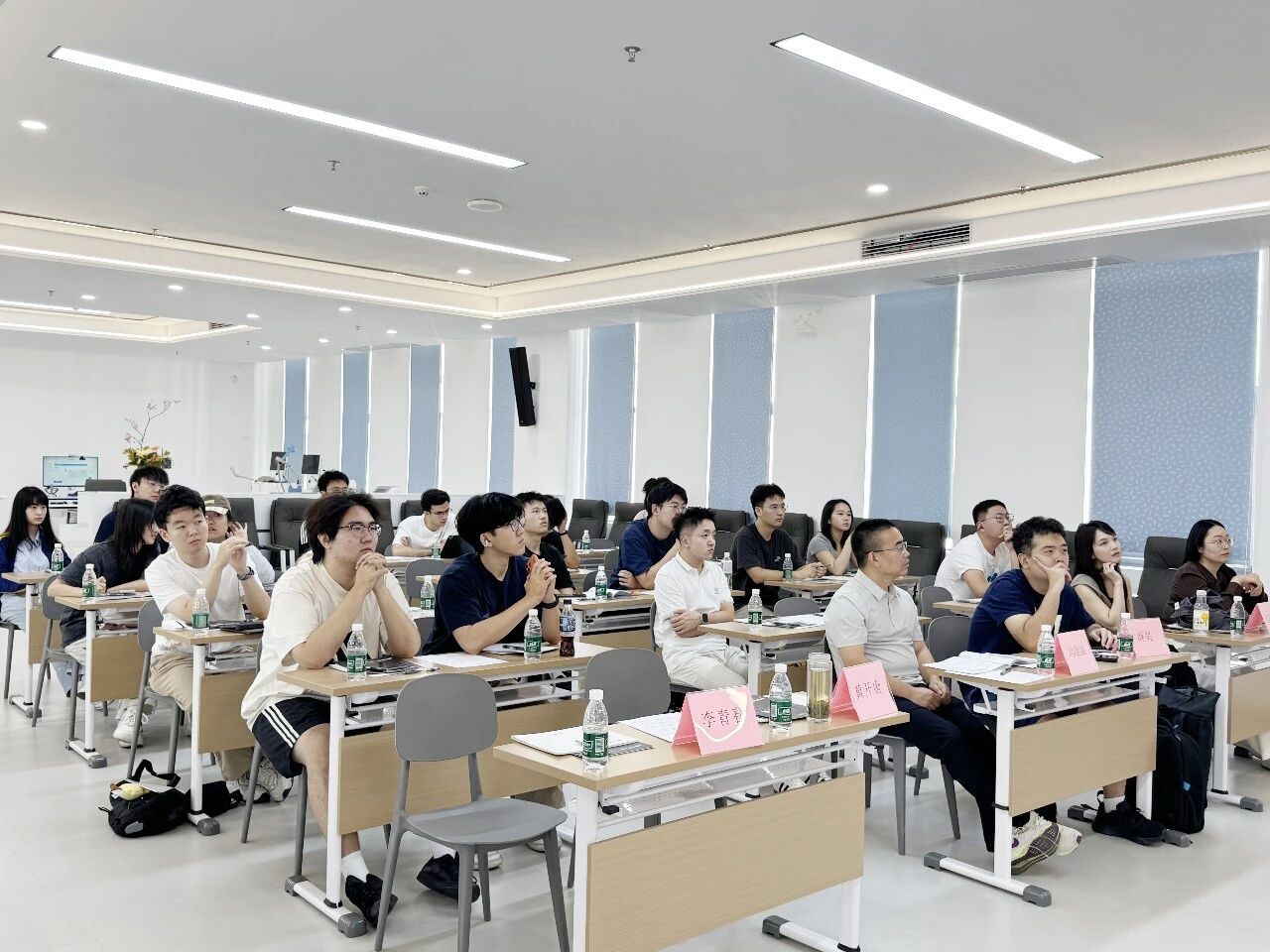
On the afternoon of October 9th, Guangzhou Ren'era Rehabilitation Equipment Manufacturing Co., Ltd. (hereinafter referred to as "Ren'era Rehabilitation") received a group of 25 students and teachers from the Red Bird Master Program of the University of Science and Technology of Hong Kong (Guangzhou). This survey was led by Professor Liu Lingbo from the UGOD academic field and Professor Luo Zheng from the Future Technology College. The theme of the survey was health equipment, brain-computer interfaces, and health care technology.
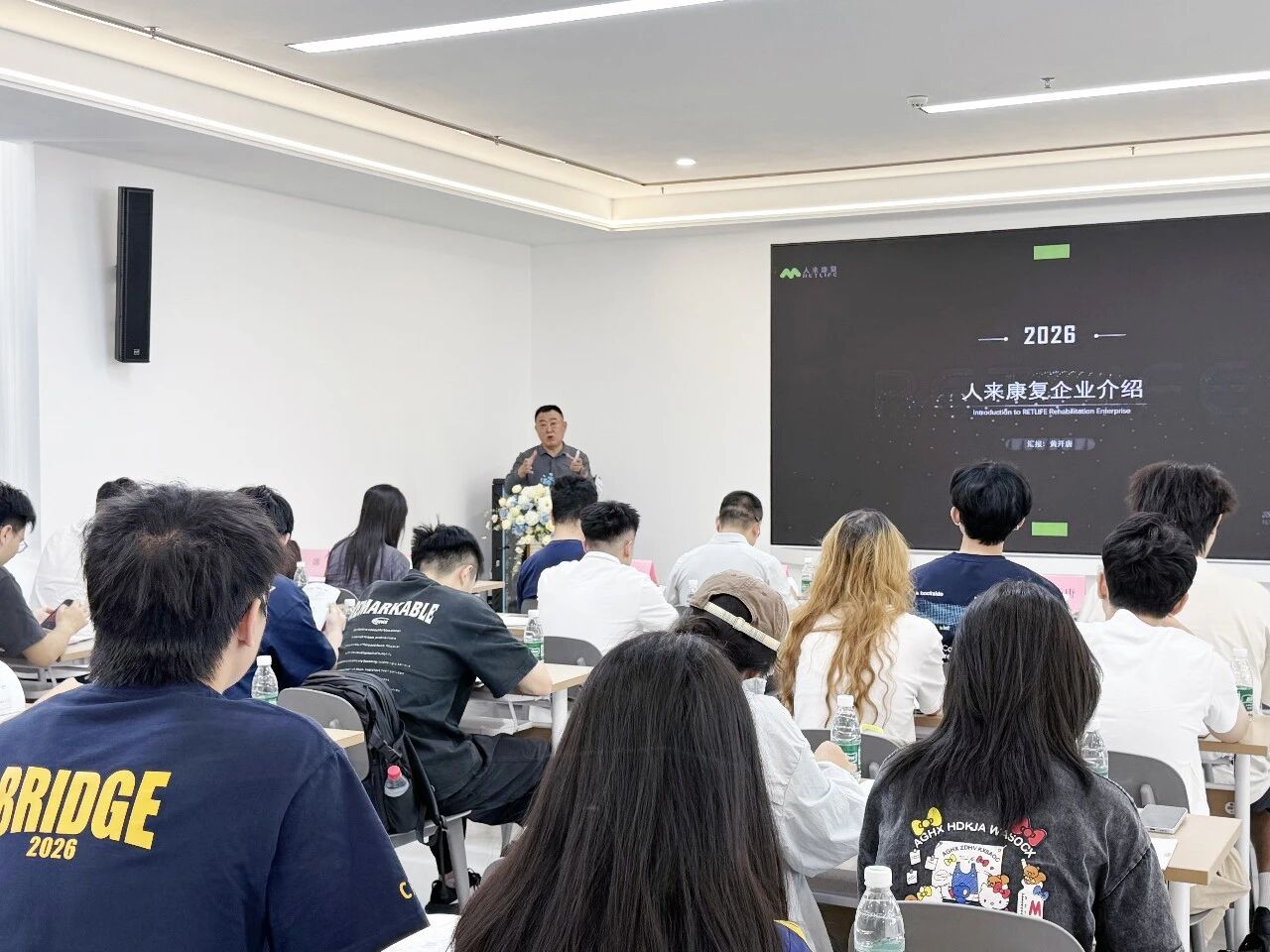
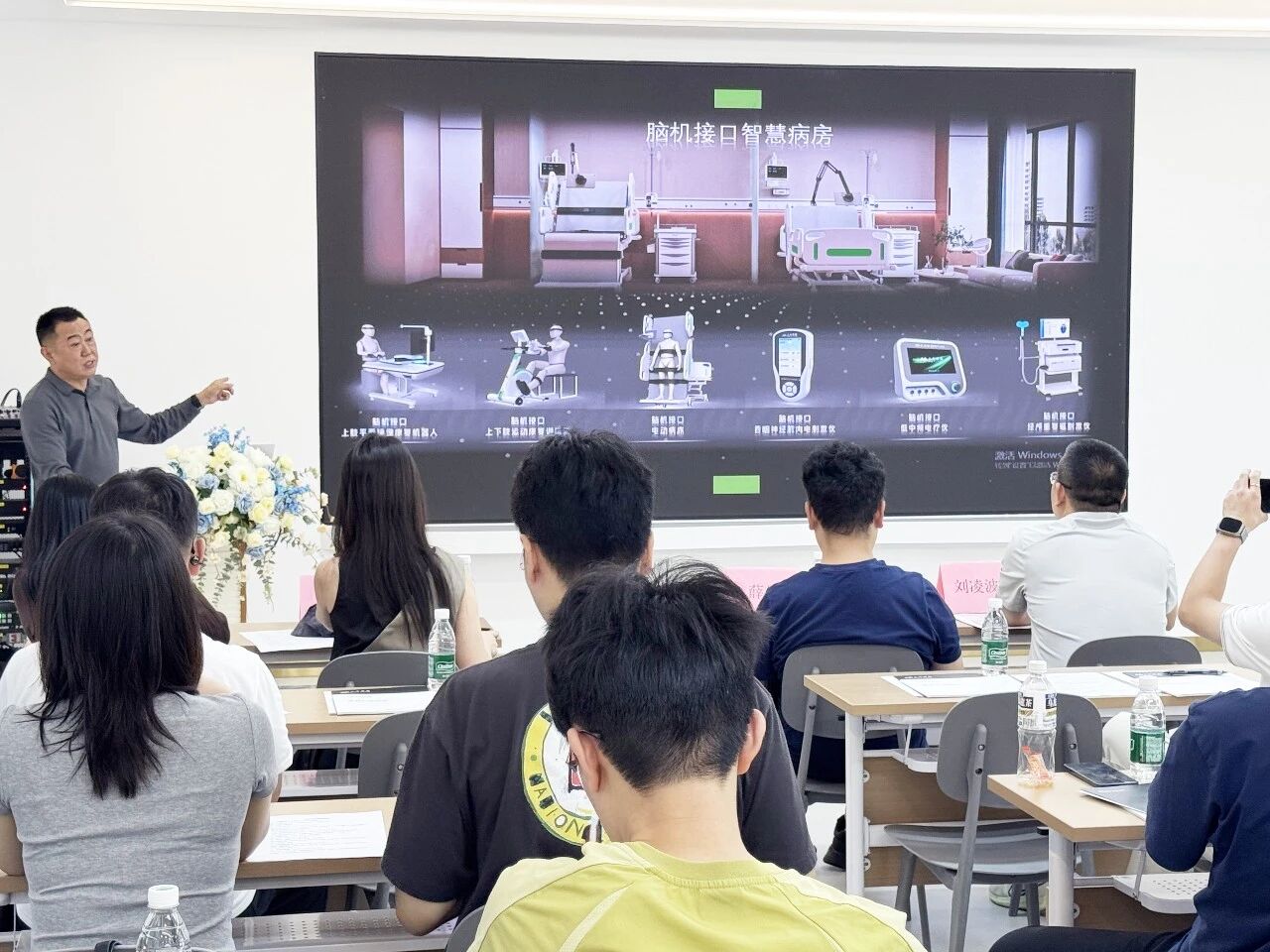
Mr. Huang Kaotang, the chairman of Ren'era Rehabilitation
Mr. Huang Kaotang, the chairman of Ren'era Rehabilitation, welcomed the teachers and students and introduced the company's development history, main business directions, and layout in the field of rehabilitation technology. Based on years of practical experience, he explained the development trends of brain-computer interfaces and rehabilitation robots, as well as the problems faced by the transition from research and development to application in the field of health care technology. Mr. Huang Kaotang stated that the value of rehabilitation equipment does not depend on the advanced nature of the technology itself, but on whether it can respond to the actual needs of patients, the elderly, medical staff, and caregivers in specific usage scenarios.
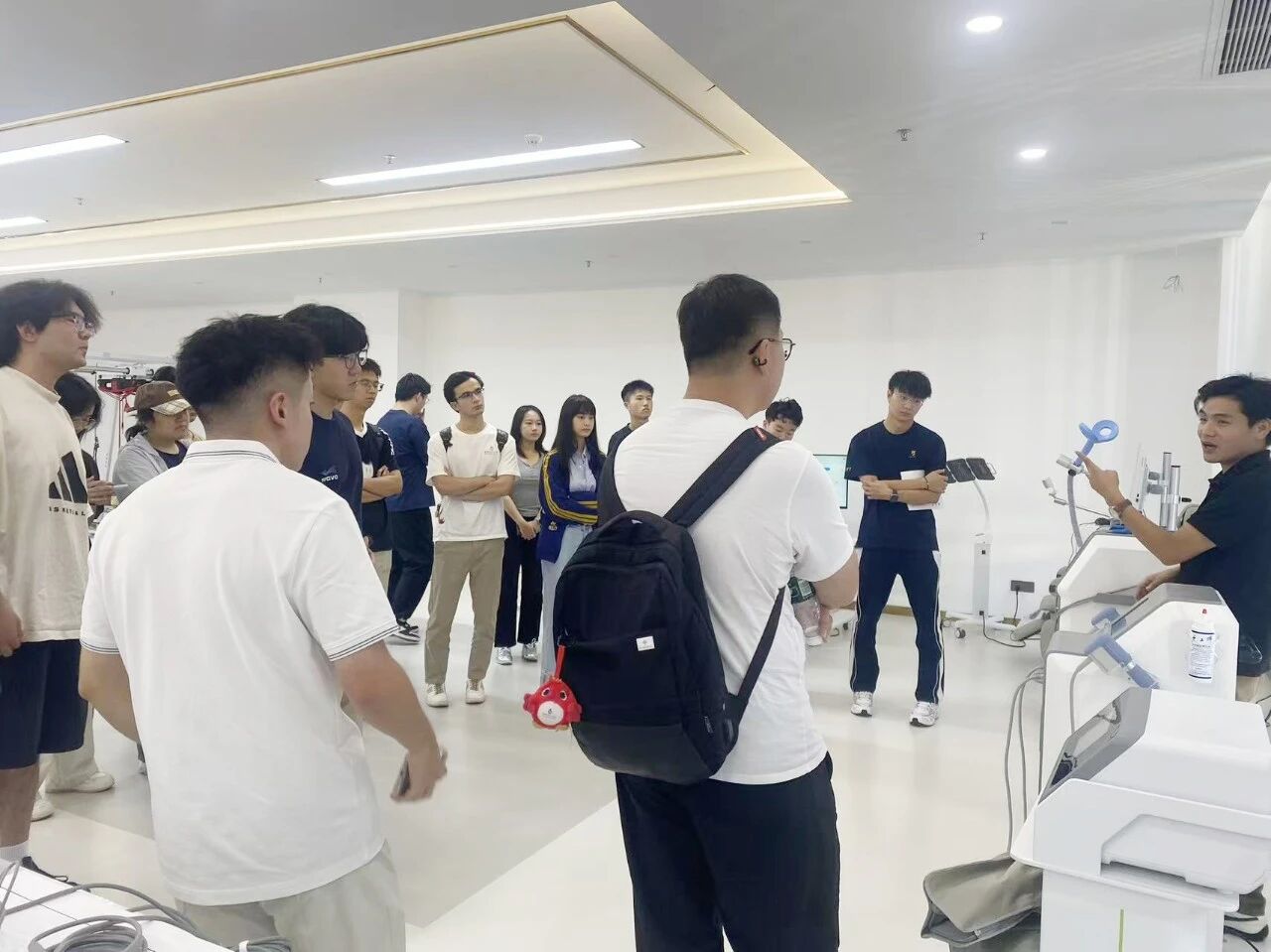
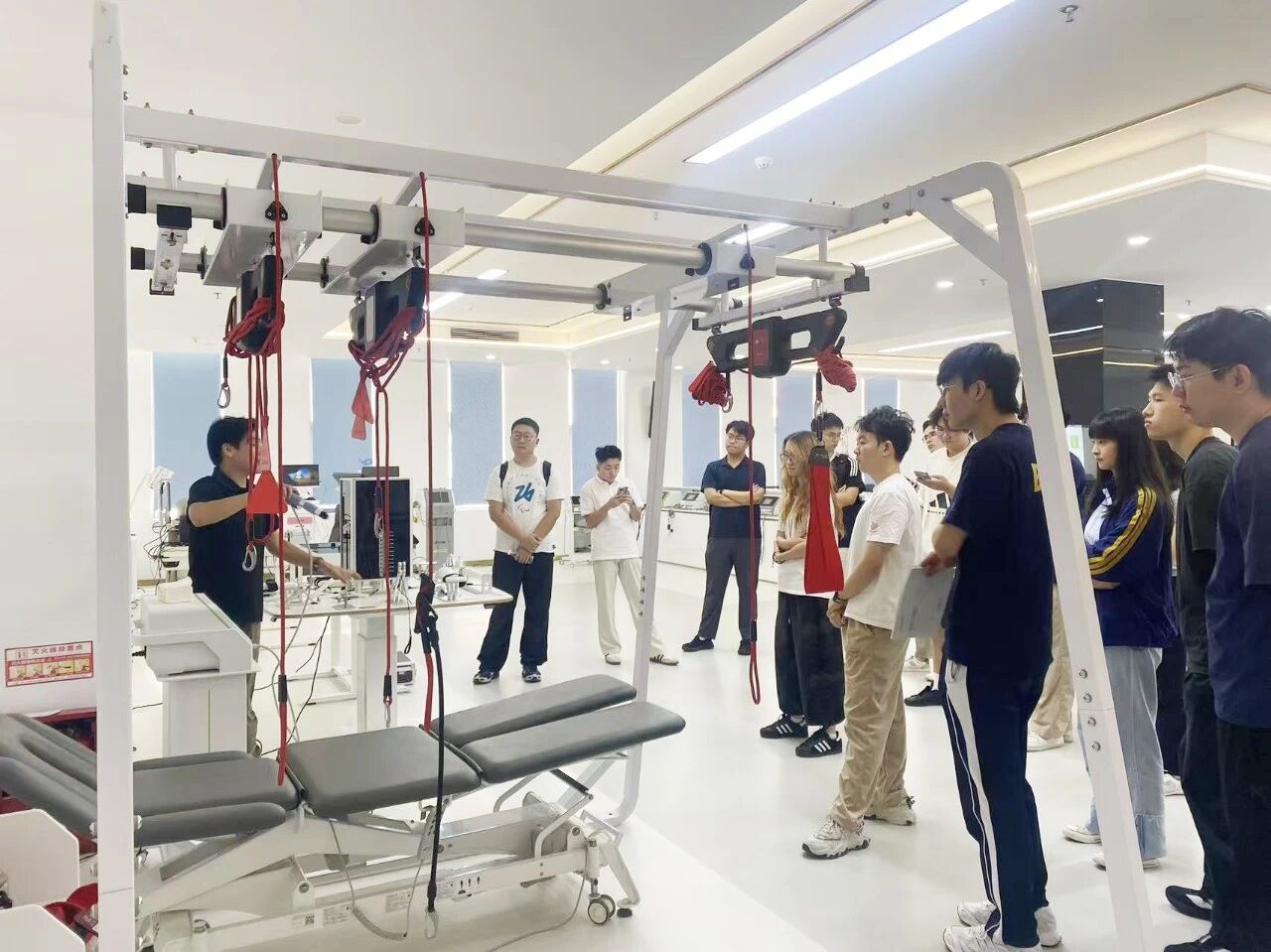
During the equipment introduction and visit session, the teachers and students learned about the target users, functional design, production process, and application scenarios of the company's main rehabilitation equipment. The Ren'era Rehabilitation team introduced the complete process of products in the categories of rehabilitation assessment, training, care, and assistance, from demand identification, research and manufacturing to clinical verification, market application, and subsequent services. During the visit, the teachers and students focused on recording the target users, usage environment, evidence and evaluation, implementation conditions, and related party situations, rather than just the product names and technical parameters.
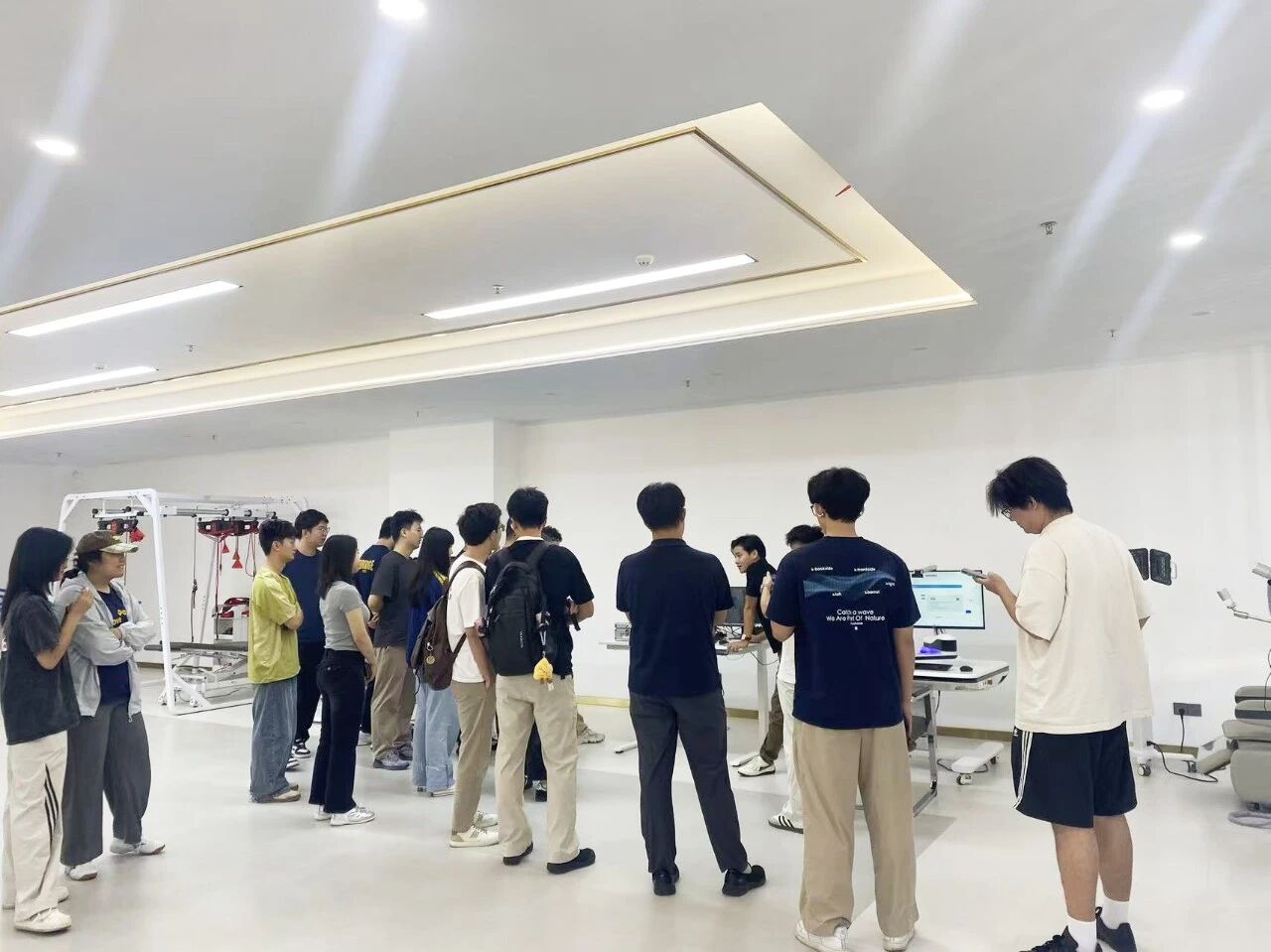
In the section on health care technology sharing, the Ren'era Rehabilitation team explained the development trends and application challenges of brain-computer interfaces, rehabilitation robots, and artificial intelligence in the health field. The teachers and students exchanged views with the front-line personnel of the company on the scenarios where brain-computer interfaces and rehabilitation robots are most likely to generate practical value, as well as the current technical, cost, safety, and acceptance limitations faced.
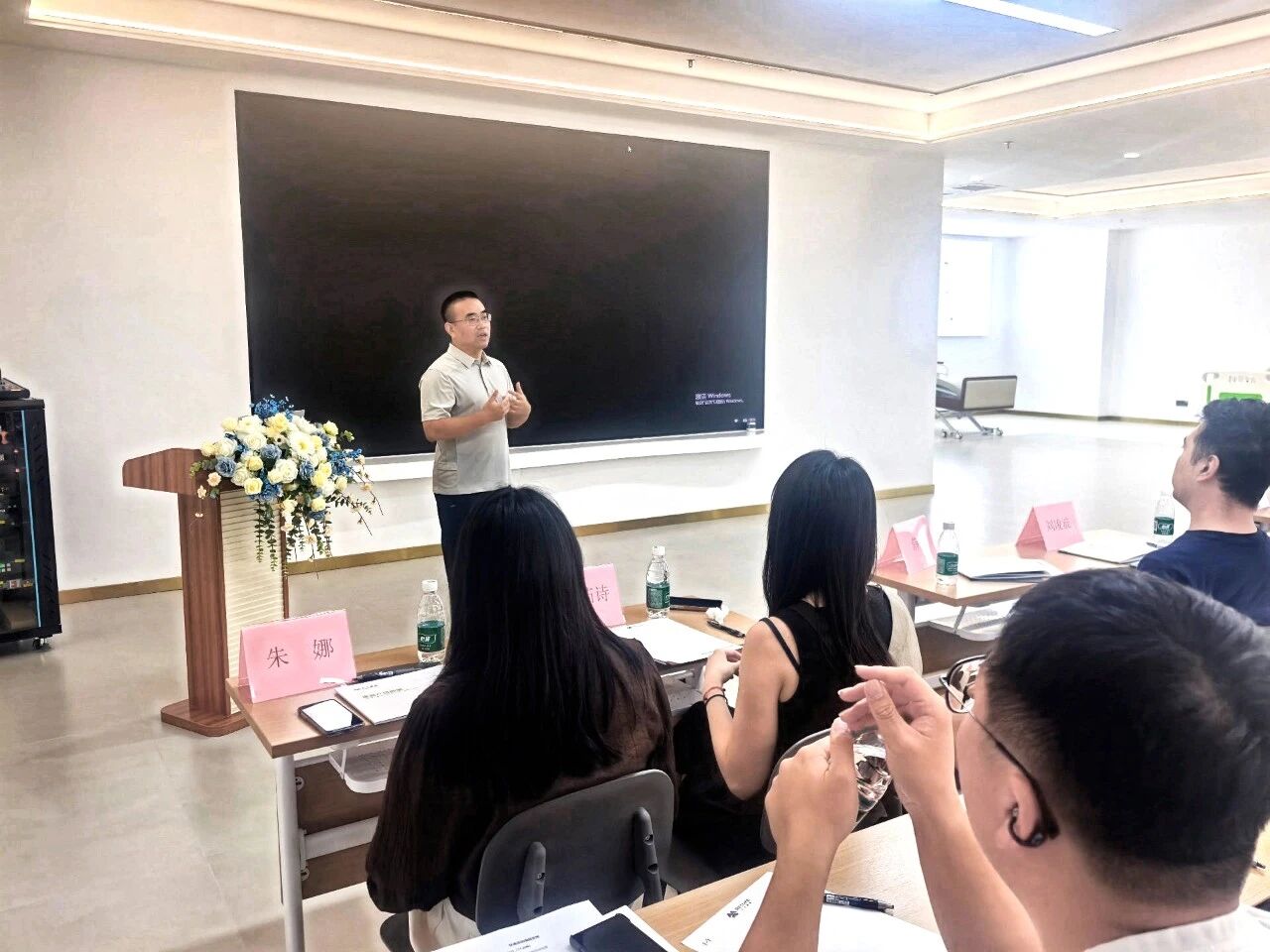
Professor Liu Lingbo from the Urban Governance and Design Academic Field of the University of Science and Technology of Hong Kong (Guangzhou)
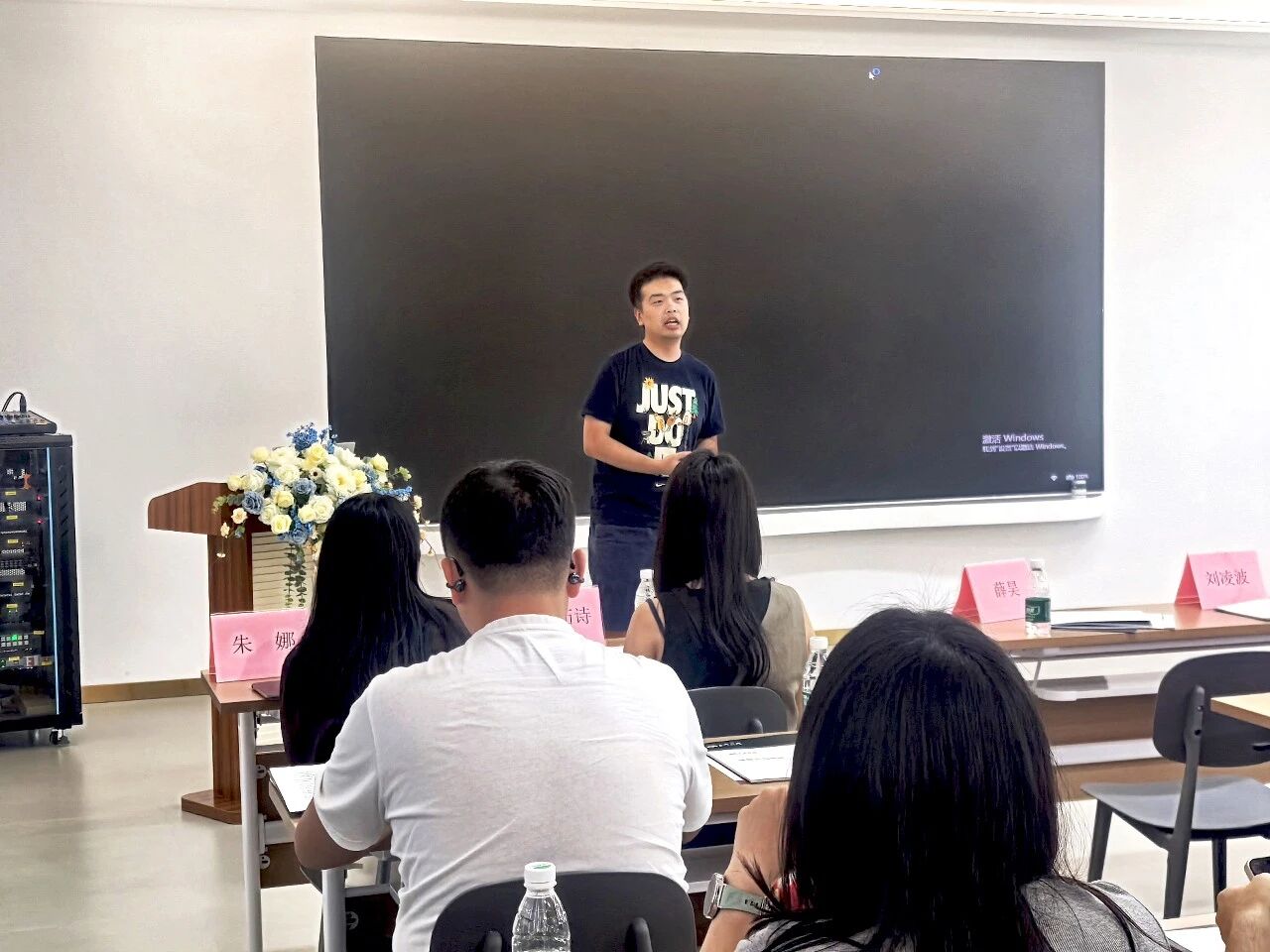
Professor Luo Zheng from the Future Technology College of the University of Science and Technology of Hong Kong (Guangzhou)
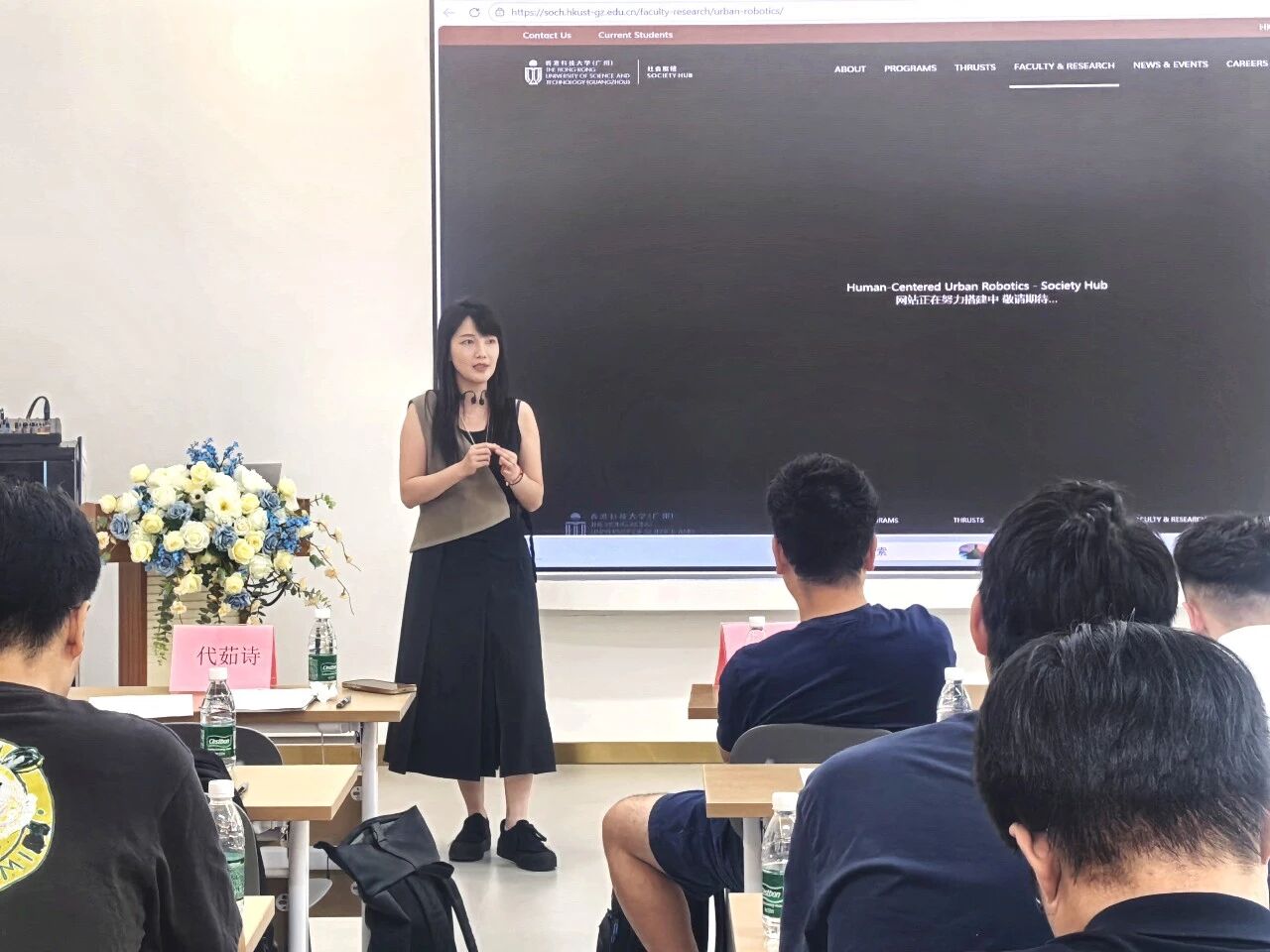
Deputy Teacher Gu Shi from the Urban Governance and Design Academic Field of the University of Science and Technology of Hong Kong (Guangzhou)
Subsequently, Professor Liu Lingbo, Professor Luo Zheng, and Deputy Teacher Gu Shi introduced Urban Health, health aging, and related research projects to help the teachers and students connect the technological innovation on the equipment side with community, city, medical services, and health aging scenarios.
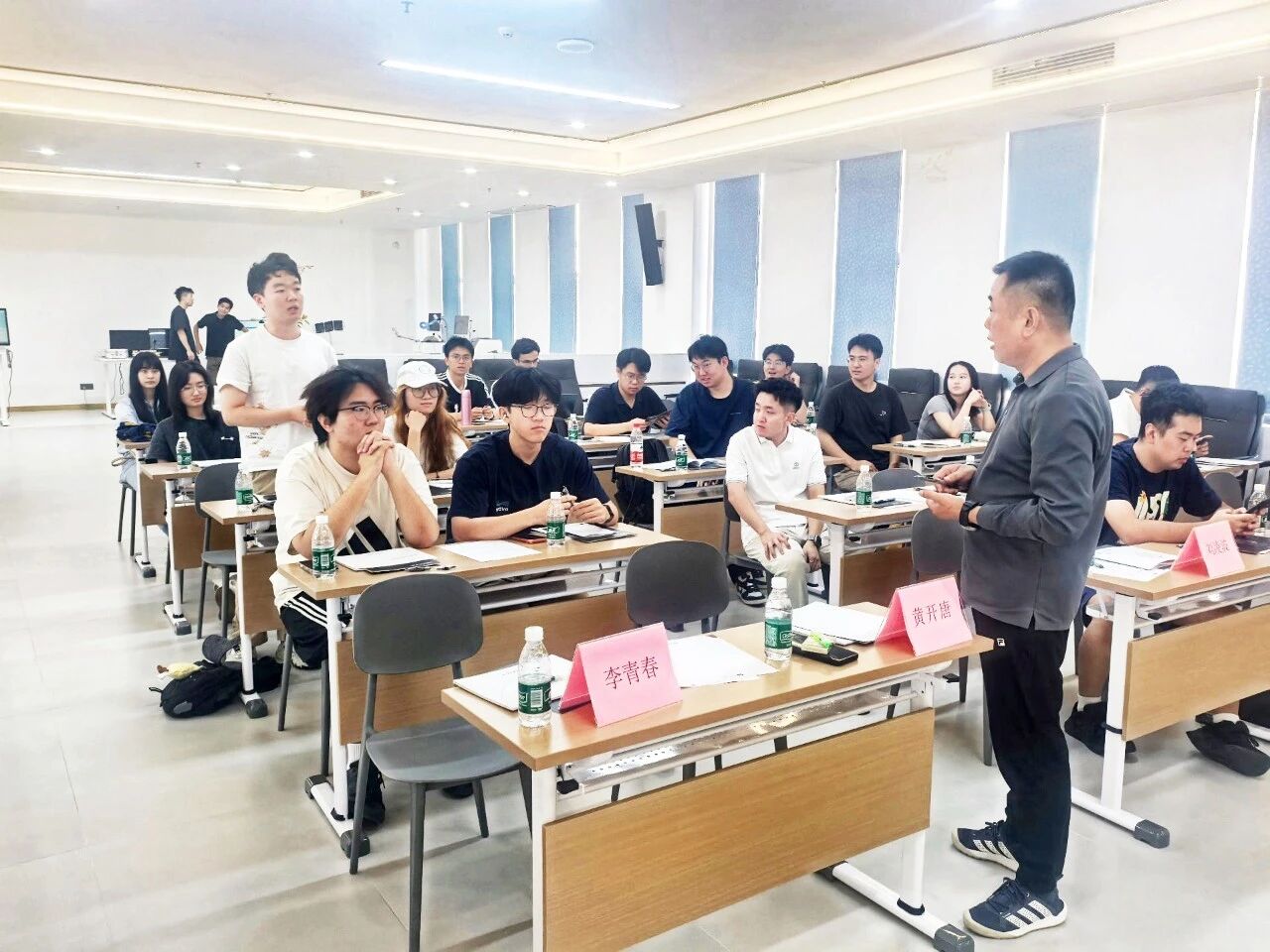
In the free question-and-answer and summary session, both sides discussed issues such as how to integrate a single device into the family, community, hospital, and urban health service system, as well as the methods and evidence needed to assess its coverage, fairness, and health impact.
This survey was a field research activity for the Red Bird Master Program and a communication between Ren'era Rehabilitation and university research forces. Ren'era Rehabilitation stated that rehabilitation equipment ultimately needs to enter the family, community, and urban health services, and this process relies on the collaboration of technology, clinical, service, and policy aspects. The company will continue to open up enterprise scenarios to support university teachers and students in conducting research and cooperation around real problems, promoting the application of brain-computer interfaces, rehabilitation robots, and health care technology in the context of health aging.